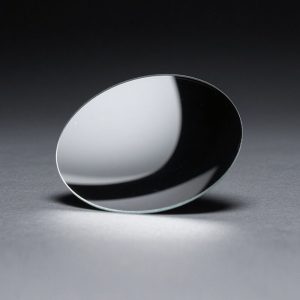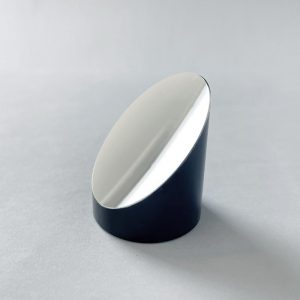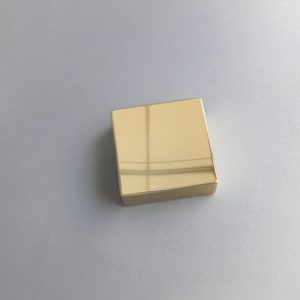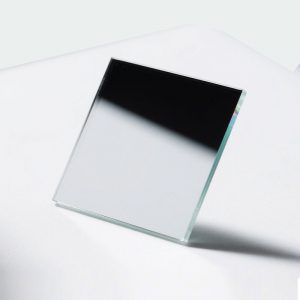
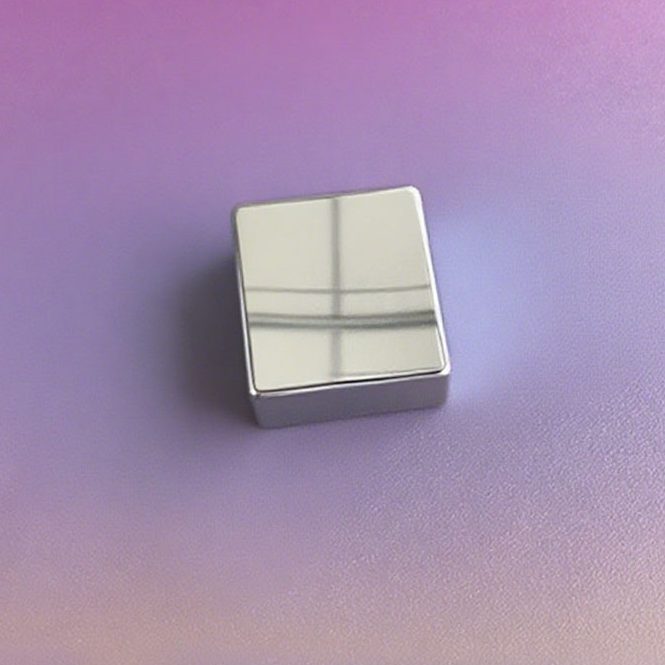
As a critical optical component, silver-coated mirrors possess a range of distinctive attributes that enable their widespread use across diverse applications. In terms of reflectance performance, these mirrors deliver exceptionally high reflectivity—typically exceeding 90% across the visible and near-infrared spectral ranges, and reaching over 95% with optimized coating processes. Their broad spectral coverage ensures excellent reflectance from the visible through the infrared regions. Chemical stability and long-term durability are also key strengths: a protective overcoat is routinely applied atop the silver layer to inhibit oxidation and significantly extend service life. Optically, silver-coated mirrors exhibit outstanding surface flatness, yielding high-fidelity reflection surfaces that minimize optical aberrations. Regarding fabrication versatility and application adaptability, silver-coated polymer mirrors represent an advanced variant—featuring a silver layer deposited onto a polymer film and capped with multiple protective layers. These mirrors combine high transmittance (in their uncoated state) and superior environmental resistance; when bonded onto curved substrates, they readily form conformal curved mirrors—unlocking unique deployment opportunities in specialized optical systems.
| Features | |
| Coating | Silver |
| Dimensional Tolerance (Outer Diameter) | ±0.15 mm |
| Thickness Tolerance | ±0.05 mm |
| Surface Figure | λ/10 |
| Surface Quality | 20-10 |
| Centration Error | ≤ 5 Arc Seconds |
| Clear Aperture | ≥ ØXX.X mm |
| Edge Bevel | 45° ± 3° × 0.20 ± 0.05 mm |
Reference Reflectance Curve for Protected Silver Coating