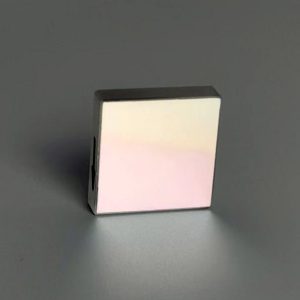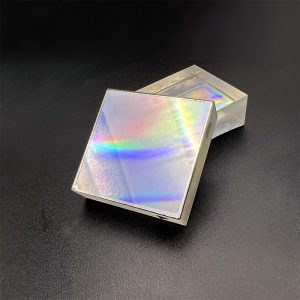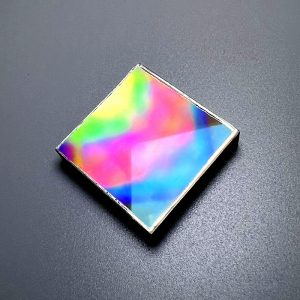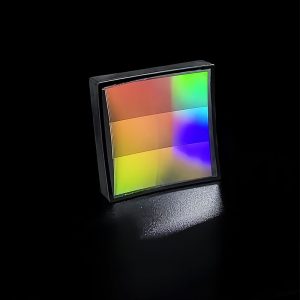
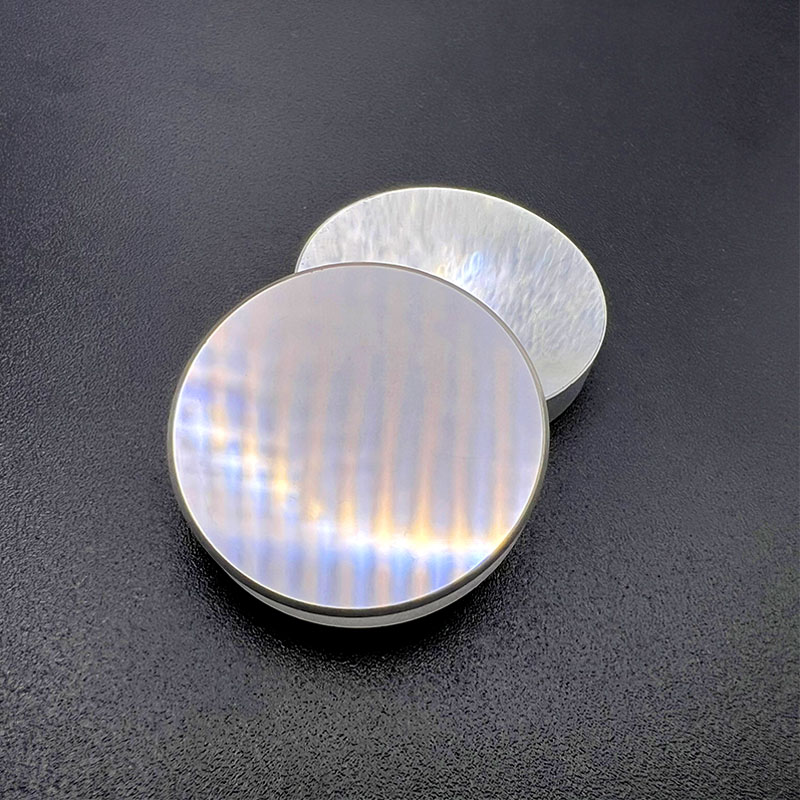
The Roland concave holographic grating embodies the foundational optical principles of Rowland’s original concave grating design, realized through advanced holographic fabrication techniques. Its groove pattern is precisely engineered to be equidistant along chords of the concave substrate, delivering exceptional performance in Roland-circle optical systems. Combining the elegance and inherent aberration correction of the classical design with the precision and consistency of modern holography, it stands out as an optimal solution for broadband, high-resolution spectroscopic applications.
| Groove Density | 600 – 2400 lines/mm |
| Blaze Wavelength Range | 250 – 500 nm |
| Standard Reflective Coating | Aluminum |
| Grating Type | Reflective concave holographic grating (Roland-circle configuration) |
| Substrate Material | Optical glass K9 |
| Thickness Tolerance | ±0.1 mm |
| Radius of Curvature | Customizable to meet system requirements |
| Typical Application Configuration | Roland-circle optical layout |